02 Apr Fake Fraud Alerts
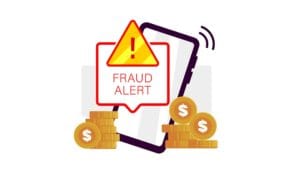
“Was This You?” — How Fake Fraud Alerts Trick You into Clicking
You get a text that stops you in your tracks:
“Unusual activity detected on your card. Was this you? Click here to confirm.”
It looks urgent. It feels important. And that’s exactly what scammers are counting on.
How the Scam Works
These messages are designed to mimic legitimate fraud alerts from your bank or credit card provider. They often include:
A “suspicious” purchase amount or retailer
A sense of urgency (“Act now to avoid account suspension”)
A link to “verify” or “confirm” the transaction
Once you click the link, you’re taken to a fake website that looks nearly identical to your bank’s login page. If you enter your information, scammers can capture:
Your username and password
Card numbers and security codes
One-time passcodes used for verification
In some cases, clicking the link alone can expose your device to malware.
Why It’s So Convincing
Fraud alerts are something many people are used to receiving—and acting on quickly. Scammers take advantage of that familiarity by:
Spoofing phone numbers to appear legitimate
Using realistic branding and language
Creating a sense of urgency that discourages double-checking
The result? People react before they have time to think.
How to Protect Yourself
If you receive a message about suspicious activity:
Don’t click the link — even if it looks real
Don’t respond to the text
Go directly to your bank’s official app or website to check your account
Call the number on the back of your card if you’re unsure
Report and block the number
A Safer Way to Respond
Remember: your bank will never ask you to verify sensitive information through a random text link. When it comes to your finances, it’s always better to take an extra step and go directly to the source.
A moment of caution can prevent a costly mistake.
For more information on how to keep yourself cyber-safe, please visit https://unisonbank.com/security-tips.
LEARN MORE: